Ngozi Ezeonu fake drugs plea: what she said, NAFDAC’s response and how to check medicines
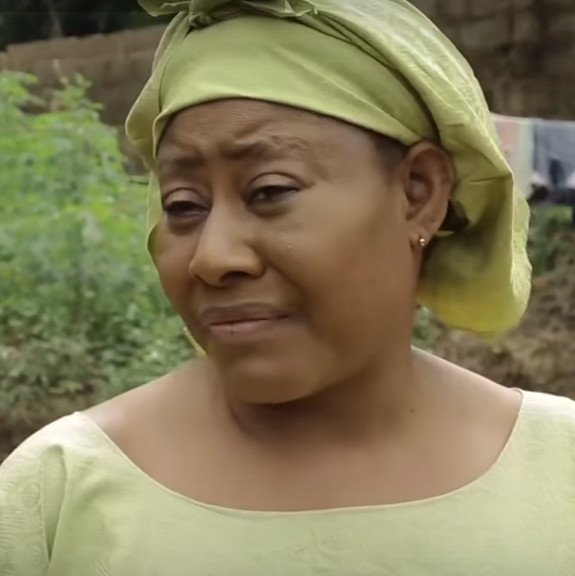
The Ngozi Ezeonu fake drugs video has become one of the most shared celebrity clips in Nigeria this week. In it, the veteran Nollywood actress begs the people behind counterfeit medicines, baby formula and drinks to stop, and asks regulators to act. She is the latest of several stars to speak out, and the debate now includes the head of NAFDAC. Here is what she said, what the agency has said, and the practical steps anyone can take to check a medicine.
By Editorial Team
What we know
- The video (FACT). Ngozi Ezeonu posted the video on Instagram this week. TheCable, Pulse Nigeria and The Nation all reported it on 7 October.
- Her appeal (FACT). “If you are one of the people doing fake drugs, please stop,” she said, as quoted by Pulse. She told Nigerians they must make money, but “not at the detriment of lives”, Premium Times reported, via KioskNews.
- Who she called on (REPORTED). She asked the National Agency for Food and Drug Administration and Control (NAFDAC), the Standards Organisation of Nigeria (SON) and the Federal Competition and Consumer Protection Commission (FCCPC) to monitor markets more closely, Pulse reports.
- Other stars (REPORTED). Ruth Kadiri had earlier urged NAFDAC to step up its crackdown on fake food, drinks, medicines and cosmetics, The Nation reports. Actress Mary Remmy Njoku has also joined the debate, according to Pulse.
The Ngozi Ezeonu fake drugs video: what she said
Speaking “as a mother”, Ezeonu said she sees young people in hospitals with kidney and liver problems, and patients who take the drugs they are prescribed and do not get better. She also warned that fake versions of children’s drinks and baby formula are on sale.
She asked why anyone would “throw stones in the market”, a Nigerian proverb meaning that harm done to the public can land on anyone, including the person who caused it. She also pointed out that wealthy people and officials can fly abroad for treatment, while most Nigerians depend on local hospitals and pharmacies.
CLAIM, not proven: Ezeonu linked the illnesses she has seen to fake products. She did not give medical evidence for that link, and Pulse Nigeria notes that kidney and liver disease have many possible causes. Her concern about counterfeit medicines in general is shared by health authorities. Her specific link between fake drugs and the cases she described has not been shown.
What NAFDAC has said
The debate did not start with Ezeonu. On Monday, NAFDAC’s director-general, Professor Mojisola Adeyeye, told BusinessDay TV that many Nigerians do not read labels or understand what the agency is responsible for, Pulse reports. She explained that NAFDAC regulates processed and semi-processed foods, while fresh produce falls under the Ministry of Agriculture.
That remark drew a response from Mary Njoku, who argued on Instagram that consumers cannot be expected to make up for gaps in inspection and testing, Pulse reports. Both sides agree that fake products are a real problem. They disagree on how much responsibility falls on the regulator and how much on shoppers.
One viral detail needs a correction. Ruth Kadiri said garlic she blended turned green, which she linked to fake products. Pulse points out that garlic can turn green or blue after crushing because of a harmless natural reaction, so the colour alone does not prove a product is fake.
Why fake medicines are a real concern
Substandard and falsified medicines are a global problem, not only a Nigerian one. The World Health Organization estimates that about one in ten medical products in low- and middle-income countries is substandard or falsified. Such products can fail to treat illness, and some contain harmful ingredients.
Celebrities have used their platforms on public issues before. Omotola Jalade-Ekeinde’s support for education was recognised this month, as we reported in our story on her Slum2School award, and Burna Boy recently met the police chief to talk about young people and the police, covered in Burna Boy meets the IGP. Ezeonu’s voice carries weight because of a career of more than three decades that made her one of the most familiar faces in Nollywood, alongside the veterans in our story on the Nollywood origins debate.
How to check a medicine in Nigeria
These steps come from NAFDAC’s own services. They do not guarantee a product is safe, but they make it much harder to be fooled.
- Look for a NAFDAC number. Registered products carry a NAFDAC registration number on the pack.
- Search the Greenbook. NAFDAC’s Greenbook website and app list approved medicines. Check that the name, active ingredient, strength, registration number and company on your pack match the listing.
- Use the scratch code. Many medicines carry a Mobile Authentication Service (MAS) scratch panel. Scratch it and text the code, free, to the short code printed on the pack. You should get a reply saying whether the product is genuine.
- Buy from licensed outlets. Registered pharmacies are safer than open-market sellers.
- Check the pack. Look at expiry dates, spelling, print quality and seals, as Ruth Kadiri also urged.
- Report anything suspicious. NAFDAC accepts reports of suspected fake or substandard products through its website and the Greenbook. Keep the pack and receipt.
For readers in the UK, the US or elsewhere who send medicines home, the same checks apply at the Nigerian end. Buying from a known pharmacy rather than a market stall is the simplest protection.
What happens next
- NAFDAC may respond directly to the actresses’ videos. Any statement from the agency would be the next development.
- Watch for enforcement news. The agency regularly announces raids and seizures, and public pressure tends to bring more of them into the news.
- We will update this story if NAFDAC, SON or the FCCPC announce new measures.
More celebrity coverage: Celebrity News.
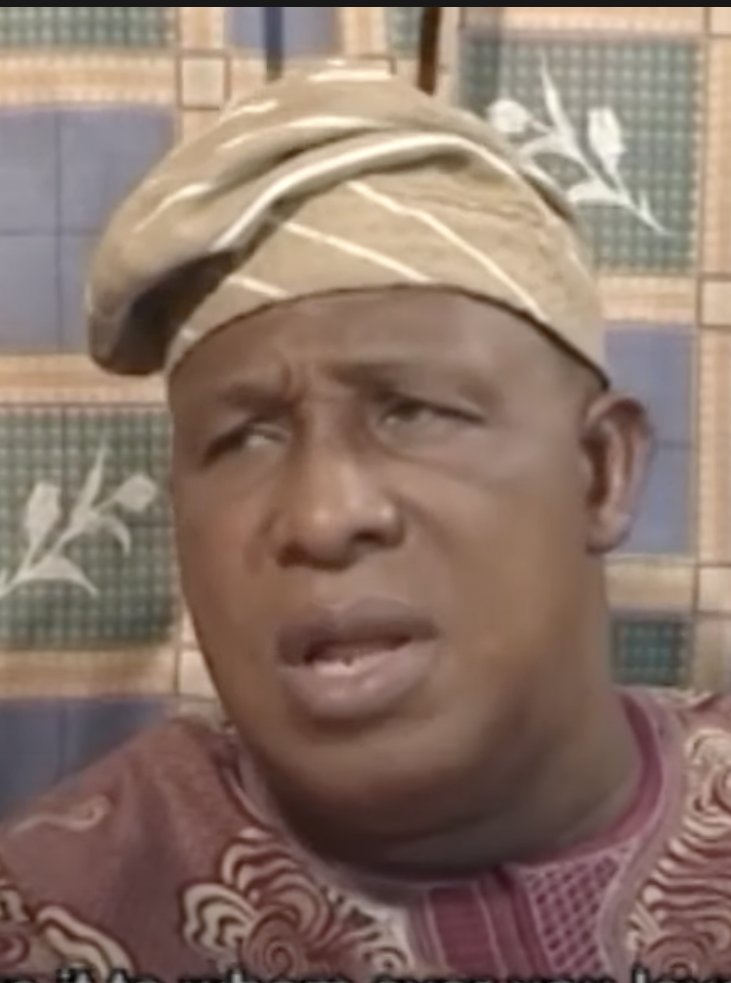
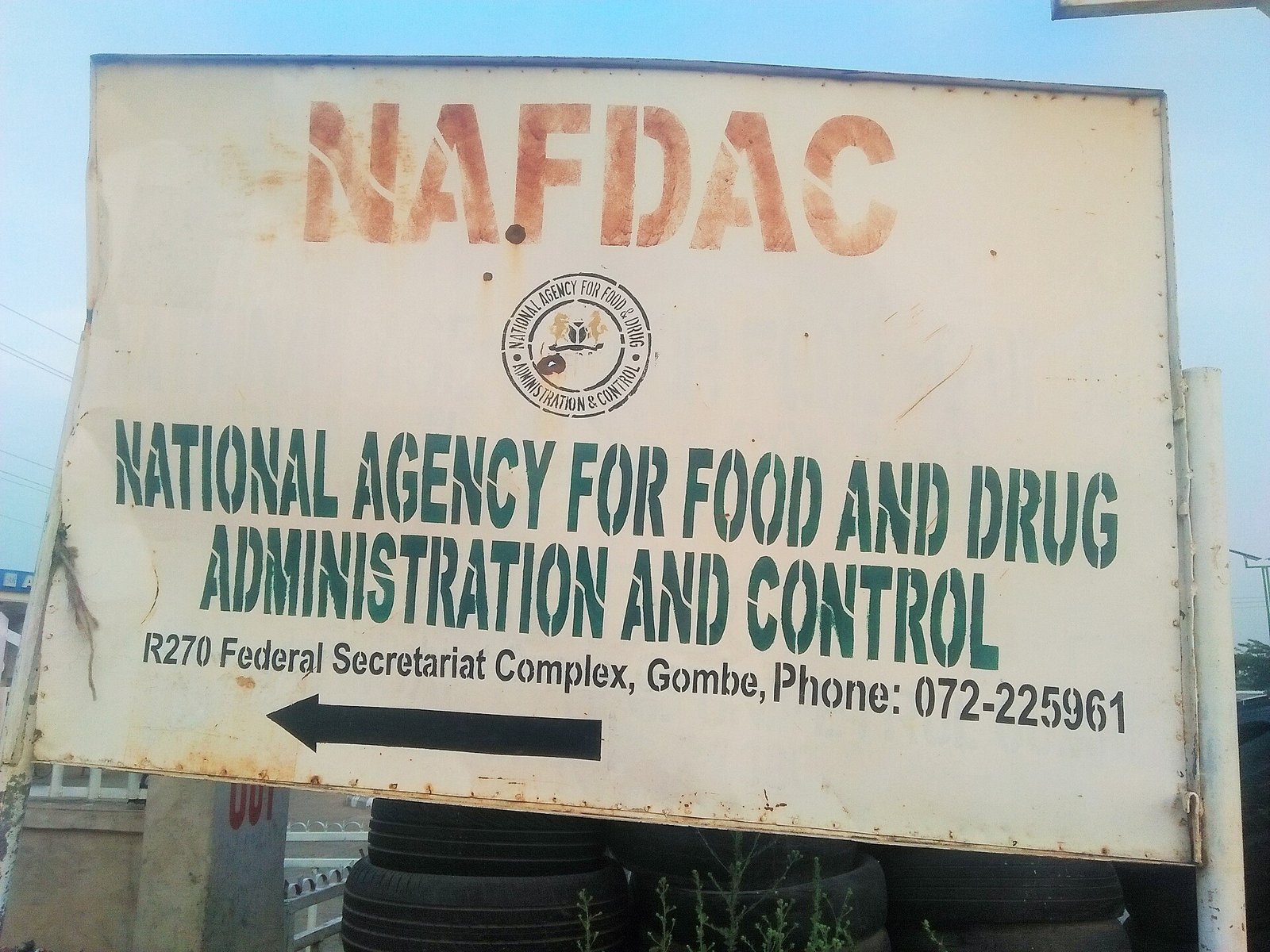
Photo credits: Featured image: Ngozi Ezeonu in a 2016 irokotv production. Photo: irokotv, via Wikimedia Commons (CC BY 3.0). Source. In-article image: A NAFDAC signboard at the agency’s Gombe State office. Photo: Yahuzaishat, via Wikimedia Commons (CC BY-SA 4.0). Source.
Sources
- Pulse Nigeria: Ngozi Ezeonu calls out fake drugs, urges NAFDAC action (7 Oct 2026)
- TheCable Lifestyle: ‘Please stop, Nigerians are dying’, Ngozi Ezeonu appeals to fake drug makers (7 Oct 2026)
- The Nation: Ngozi Ezeonu decries fake drugs, foods in Nigeria (7 Oct 2026)
- KioskNews (Premium Times report): Ngozi Ezeonu, Ruth Kadiri, others call out NAFDAC (Oct 2026)
- NAFDAC Greenbook: approved products database
- NAFDAC: Mobile Authentication Service (MAS)
- World Health Organization: Substandard and falsified medical products (fact sheet)
Share this story