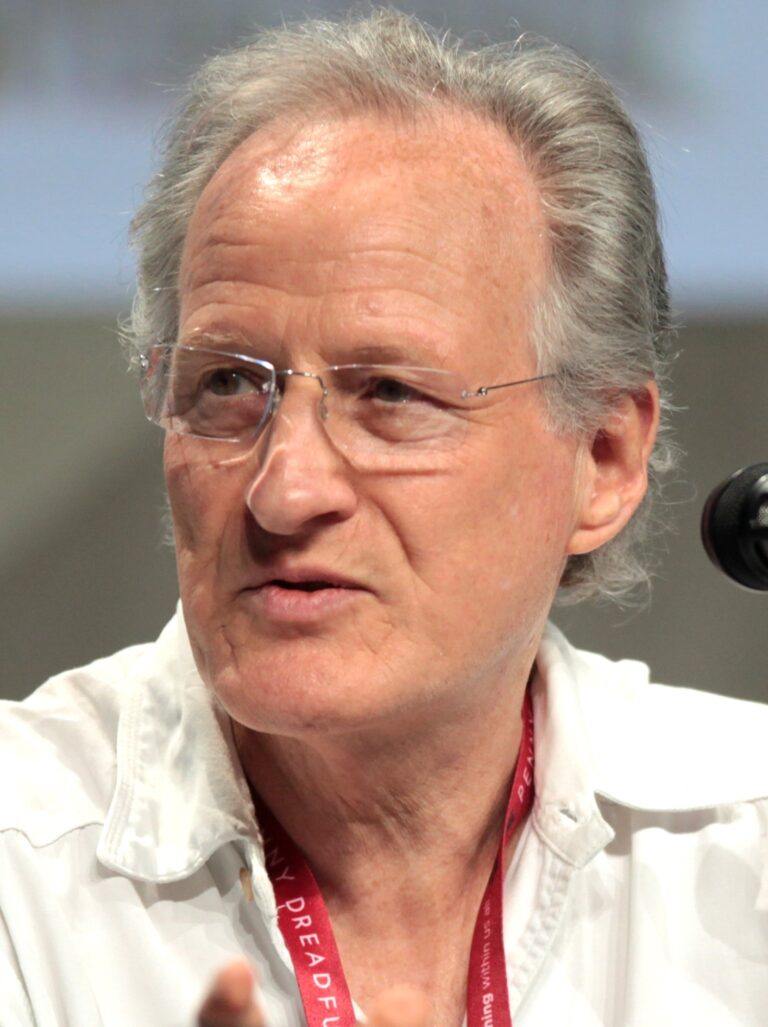
EbonyLife Place London: Mo Abudu opens Amani cinema for African and Black film

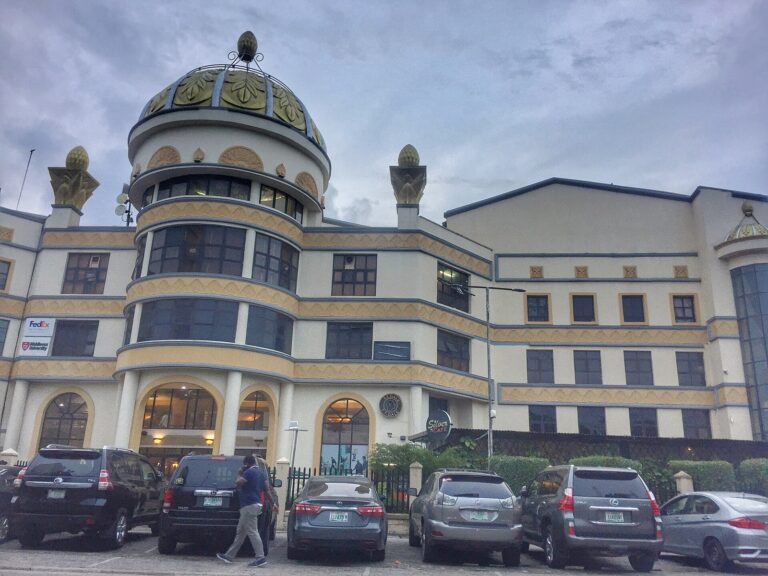
EbonyLife Place London is now open near Nine Elms: a multi-storey African and Black cultural hub whose centrepiece is the 160-seat Amani cinema. BBC, AFP/France24 and Screen Daily covered the early-October launch with Mayor Sadiq Khan in attendance. Here is what the venue actually includes, how it ties to EbonyLife Place Lagos, and why diaspora audiences should care.
By Editorial Team
What we know
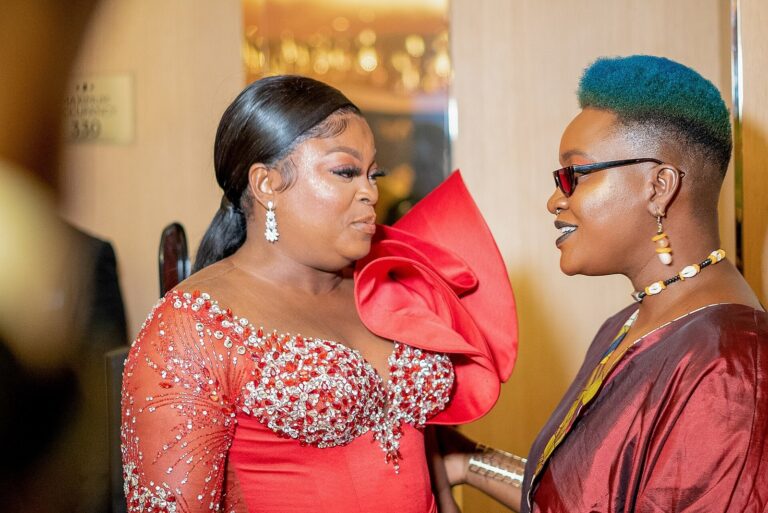
- Opening (FACT). EbonyLife Place London opened in early October 2026 (BBC dated the unveiling around 8 October) in south-west London near Nine Elms / Battersea Power Station. Founder Mo Abudu, the Nigerian media executive born in London, led the launch; Mayor of London Sadiq Khan attended.
- Amani cinema (FACT). The hub’s centrepiece is a 160-seat auditorium named Amani (Swahili for peace/harmony in AFP coverage). It is billed as the UK’s first cinema dedicated exclusively to African and Black film, with a year-round programme leaning on Nollywood plus Black storytelling from the UK, Caribbean, US and wider Africa.
- Wider venue (FACT). Beyond the auditorium: a bar, a lounge branded Fàhinti / Fẹhinti (Yoruba for leaning back to rest — spellings vary by outlet), a Nigerian restaurant, a boutique for African and diaspora designers, and diaspora artwork on the walls.
- Lagos sister site (FACT). The London project mirrors EbonyLife Place Lagos, opened in 2019, and is financed largely by Abudu’s media group per BBC/AFP.
- Programming note (REPORTED). Opening-week coverage mentioned Nigerian filmmakers including Nwani Orire and Ifeyinwa Arinze; membership access details were still being finalised at launch per AFP.
Why EbonyLife Place London is more than a red-carpet photo
London already hosts festivals and one-off African film seasons. A permanent, dedicated auditorium changes the distribution math: Nollywood and diaspora titles can build week-long runs instead of single festival slots. For Nigerian creatives, that is a London shopfront that does not depend on a Hollywood intermediary greenlight.
Abudu’s quote to BBC — that the UK lacks enough spaces to serve Black cinema — is the mission statement. Readers should separate the aspiration from box-office proof: opening week is not a year of programming data. The useful near-term watch is whether Amani’s calendar stays Nollywood-heavy or tilts toward US/UK Black prestige titles.
What Mayor Khan’s attendance signals
Khan’s remarks, as reported by BBC and Screen, framed London as Europe’s top filming location and linked the opening to Black History Month and the capital’s culture offer. He had previously visited EbonyLife Place Lagos on a trade mission. That is soft-power and trade language as much as film language — useful context for diaspora readers who track how African culture brands land in UK civic messaging.
It is not a municipal funding announcement. Coverage stresses Abudu’s group as the primary financier.
How this sits beside Nollywood’s 2026 London and Lagos calendar
The London Film Festival window overlapped the opening, giving the venue festival-adjacent oxygen without making it an LFF venue. Back home, AFRIFF’s November “Frames of the Future” edition and theatrical titles such as Phoenix Fury remain the Lagos industry calendar. EbonyLife Place London does not replace those; it adds a year-round UK exhibition lane for the same talent pool.
Abudu’s producer credits (including high-profile Netflix-era titles) are why international outlets treated the opening as a mogul story, not only a neighbourhood cinema story. Celebrity News readers get the person; Nollywood readers get the infrastructure.
Practical notes for London visitors
Address-level navigation should come from EbonyLife’s own channels once published; press copy places the site between Battersea Power Station and Nine Elms. AFP noted a membership scheme was still being detailed at launch — do not buy third-party “VIP membership” forwards. Programme and ticket links belong on official EbonyLife properties, not WhatsApp flyers.
Food, fashion and lounge spaces matter commercially: they are how a 160-seat auditorium can stay open between film peaks. That mixed-use model is the Lagos template transplanted.
Representation without hype inflation
Calling Amani “the first” dedicated African/Black cinema in the UK is the claim outlets repeated from the launch. We report it as billed. What we will not do is invent attendance figures or claim every Nollywood hit will automatically day-and-date in Nine Elms. Infrastructure is the story; proof of sustained programming is the sequel.
For diaspora families who already stream Nollywood at home, the value proposition is communal: a proper auditorium, food, and fashion under one roof. That is why the lounge and restaurant matter in the coverage — they are not lifestyle fluff; they are the business model.
Diaspora soft power, carefully framed
Abudu’s London birth and Lagos empire is the biographical hook every outlet used. The harder journalistic point is exhibition infrastructure: without screens that prioritise African and Black titles, streaming catalogues alone decide what travellers and second-generation viewers see in public. Amani is an attempt to put that decision back into a programmed room.
Compare that to one-off embassy screenings or university African-film weeks — valuable, but not a commercial calendar. If EbonyLife can keep Fridays full outside festival season, the “mad dream” AFP quoted becomes a business.
What happens next
Watch for the first full monthly film calendar, membership pricing, and whether major Nollywood theatrical titles book London day-and-date through Amani. Follow-ups write themselves when a specific premiere night or industry masterclass lands with named guests. Until then, the hard news is the opening itself: a permanent African/Black cinema hub in London with Mo Abudu’s name on the door.
Readers following Nollywood industry politics may also revisit our Emeka Rollas apology coverage for recent Lagos film-community context.
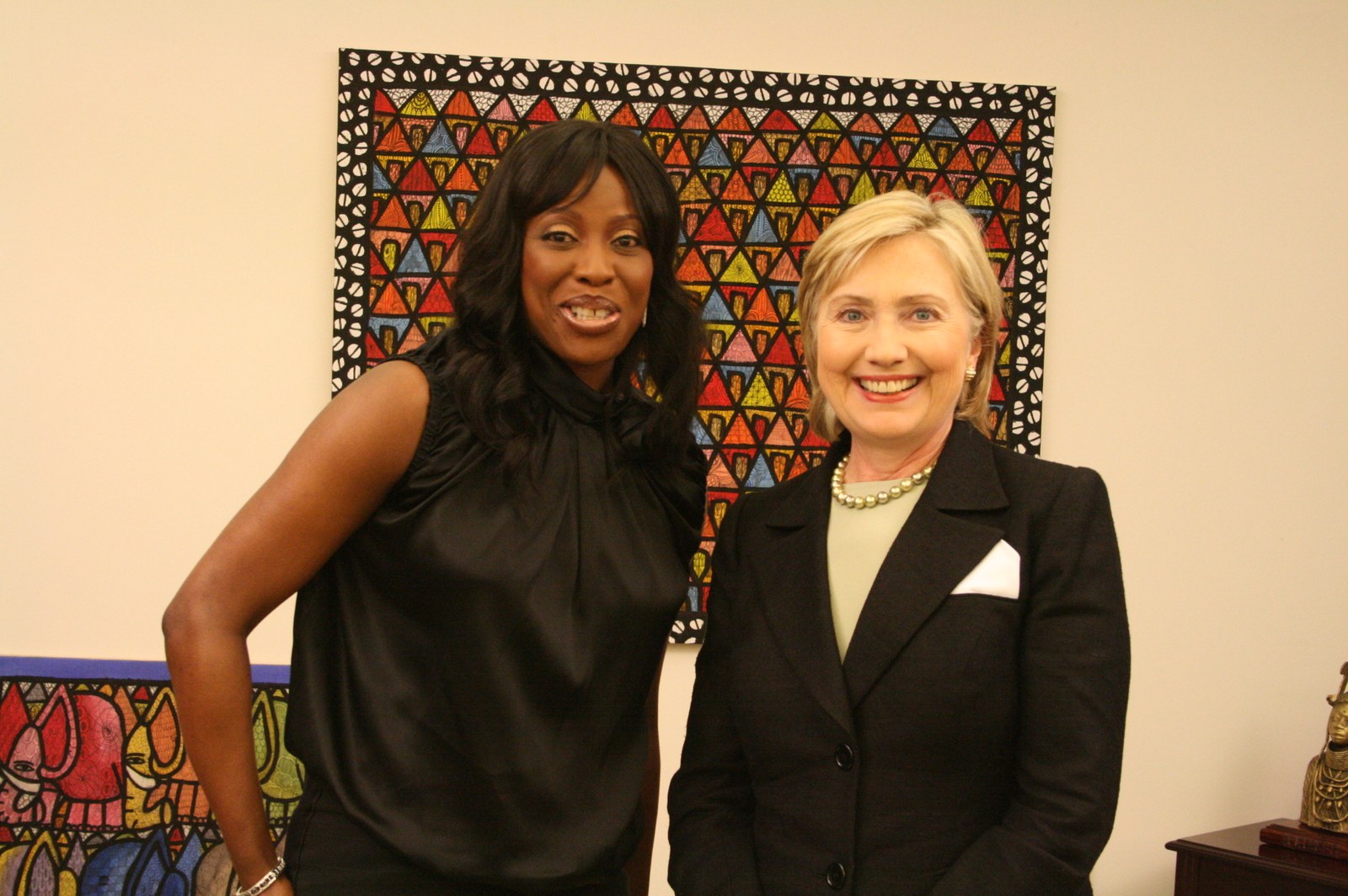
Photo credits: Featured image: Mo Abudu. Photo: Nkemonwudiwe, via Wikimedia Commons (CC BY 3.0). Source. In-article image: Mo Abudu with Hillary Clinton — archive appearance illustrating her international profile. Photo: Nkemonwudiwe, via Wikimedia Commons (CC BY 3.0). Source.
Sources
- BBC: Black and African cinema hub opens in London
- AFP/France24: Mo Abudu London African film centre
- Screen Daily: Mo Abudu opens dedicated London venue
- Centertainment: Phoenix Fury cinemas / AFRIFF
- Centertainment: A Land Apart cinema date
- Centertainment: Black Market Guinness World Record
- Centertainment: Celebrity News category
Share this story