
Nana Patekar dies at 75: the Bollywood star’s life, films and the tributes
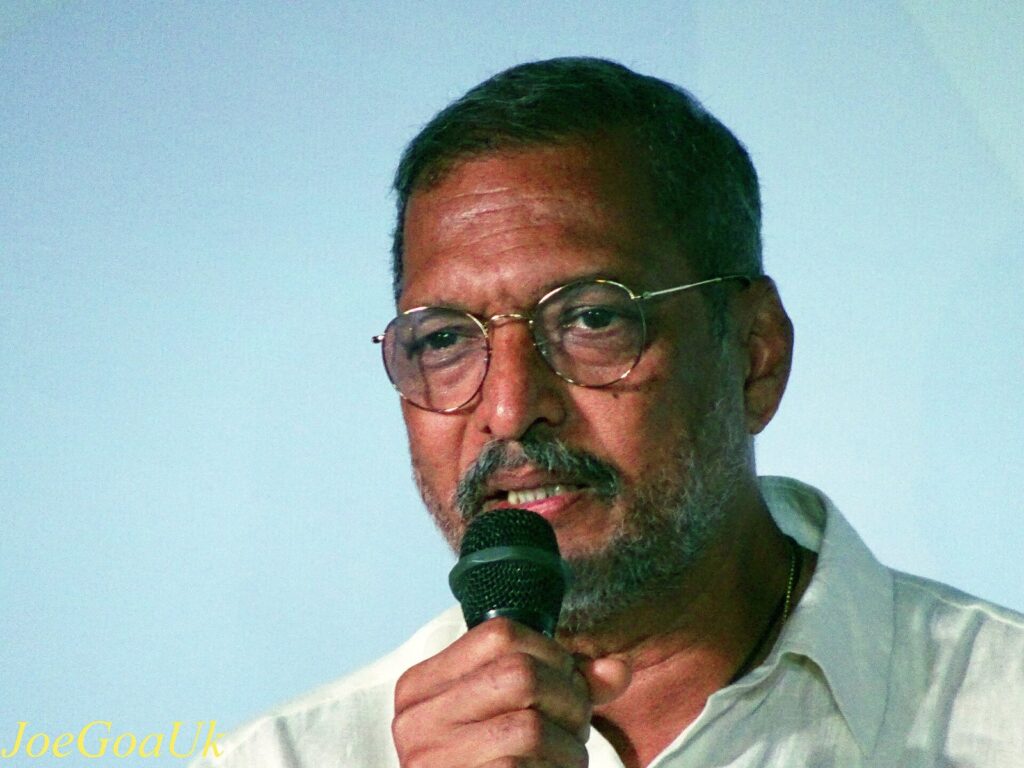
Nana Patekar, one of Indian cinema’s most respected actors, has died at the age of 75. He was found unconscious at his home in Goa in the early hours of Thursday, 8 October, and could not be revived, the BBC reports. Known for intense, fearless performances in films such as Parinda, Krantiveer and Salaam Bombay!, he won three National Film Awards. Tributes have come from India’s president and prime minister and from across Bollywood.
By Editorial Team
What we know
- Death confirmed (FACT). His son, Malhar, told BBC Marathi that his father had died. The BBC reports that he suffered a cardiac arrest at his home in Goa.
- Hospital statement (REPORTED). “Despite 45 minutes of continuous CPR, he could not be revived,” Dr Shekhar Salkar of Manipal Hospital in Goa told the ANI news agency, as quoted by the BBC.
- Age (FACT, with a note). The BBC gives his age as 75. One report quoted by The Times of India gives 76, and in a speech days earlier he described himself as 76. We use 75, the figure given by the BBC from his family.
- State funeral (REPORTED). Maharashtra’s cultural affairs minister, Ashish Shelar, announced that he will receive a state funeral, The Times of India reports. The paper says his last rites will be held at his farmhouse near Pune.
- Tributes (FACT). Prime Minister Narendra Modi wrote on X that his characters would “remain etched in the memory of generations”. President Droupadi Murmu called his death “a great loss to Indian cinema”.
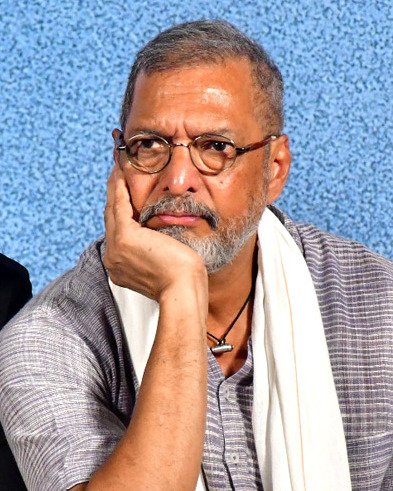
Who was Nana Patekar?
Born Vishwanath Patekar, he trained and worked in Marathi and Hindi theatre before moving into film. The BBC notes that plays such as Purush and Hamidabai Chi Kothi made his name on stage, and that he kept acting in theatre throughout his career.
His film debut came with Gaman in 1978. He spent years in smaller roles before Parinda (1989), in which he played the gangster Anna. That role made him a household name in India and won him his first National Film Award and a Filmfare Award, the BBC reports.
He won further National Film Awards for Krantiveer and Agni Sakshi. He also received the Padma Shri, India’s fourth-highest civilian honour, according to The Times of India.
The films that defined Nana Patekar
International audiences may know him best from Mira Nair’s Salaam Bombay! (1988), in which he played Baba, a drug dealer in Mumbai’s red-light district. The film won the Caméra d’Or at Cannes and was nominated for Best Foreign Language Film at the 61st Academy Awards, only the second Indian film to get that nomination. Our explainer on how Oscar voting works covers how that category, now called Best International Feature Film, is decided.
In India, his range was the point. He was a fierce patriot in Tirangaa and Krantiveer, an army officer in Prahaar, which he also directed, and a deaf and mute father in Khamoshi: The Musical. The BBC singles out the last as proof that he could do far more than the loud, explosive characters audiences expected. He played a shrewd politician in Prakash Jha’s Raajneeti (2010) and appeared opposite Rajinikanth in the Tamil film Kaala (2018).
He also had a big comic hit. Akshay Kumar, his co-star in the 2007 comedy Welcome, remembered him as a rare performer whose voice and honesty could hold an audience’s attention, the BBC reports.
Beyond the screen
Patekar was known for saying what he thought, including about politicians. Farmers’ welfare was close to his heart. In 2015 he and the actor Makarand Anaspure set up the Naam Foundation, which works on farmer welfare and water conservation in Maharashtra, the BBC reports.
His career also had a difficult chapter. In 2018 the actor Tanushree Dutta accused him of sexual harassment over an incident on a film set a decade earlier, allegations that helped spark India’s #MeToo movement. Patekar denied them, and in 2019 police said they had not found sufficient evidence against him, according to the BBC.
Tributes from India’s film world
The Times of India’s live coverage collected messages from across the industry:
- Rajinikanth wrote that he could not believe his “dear friend Nanaji” was gone.
- Anupam Kher said he heard the news as he came off stage after a play, and wrote that Patekar was “one of the finest actors and human beings in Indian cinema”.
- Farhan Akhtar called him a “generational talent”.
- Sunny Deol remembered him as “fearless, full of life”.
- Prakash Raj, Jr NTR and Prabhu Deva also posted tributes.
The Times of India also reports that just three days before his death, at a club event in Goa, he told the audience: “We all have to go someday. I don’t know whether I will be here tomorrow.”
Why it matters beyond India
Hindi films have long had audiences far beyond India, including across Africa and in the UK and US diaspora. In northern Nigeria in particular, Bollywood has been popular for decades and influenced the style of Kannywood, the Hausa-language film industry. Our history of Nollywood traces how Nigeria’s own film industry grew alongside those influences.
Like Nigeria’s Olu Jacobs, whose funeral we covered in Olu Jacobs laid to rest in Lagos, Patekar belonged to a generation of stage-trained actors whose authority on screen came from years in the theatre. India and Nigeria both now compete for the same Oscar category, as we explain in our history of Nigeria’s Oscar entries.
What happens next
- His family and the Maharashtra government are expected to confirm the time of the state funeral.
- The Times of India reports that his body was moved to Goa Medical College and Hospital, near Panaji, for a post-mortem.
- More tributes are expected from the Hindi and Marathi film and theatre worlds.
- We will update this story with funeral details when they are confirmed.
More from around the world: International Entertainment.
Photo credits: Featured image: Nana Patekar at the International Film Festival of India, Goa, November 2017. Photo: joegoaukiffi3, via Wikimedia Commons (CC BY-SA 2.0). Source. In-article image: Nana Patekar promoting Housefull 5, May 2025. Photo: Bollywood Hungama, via Wikimedia Commons (CC BY 3.0). Source.
Sources
Share this story