X-Men movies in order: every film by release date and story order, from 2000 to Avengers: Doomsday

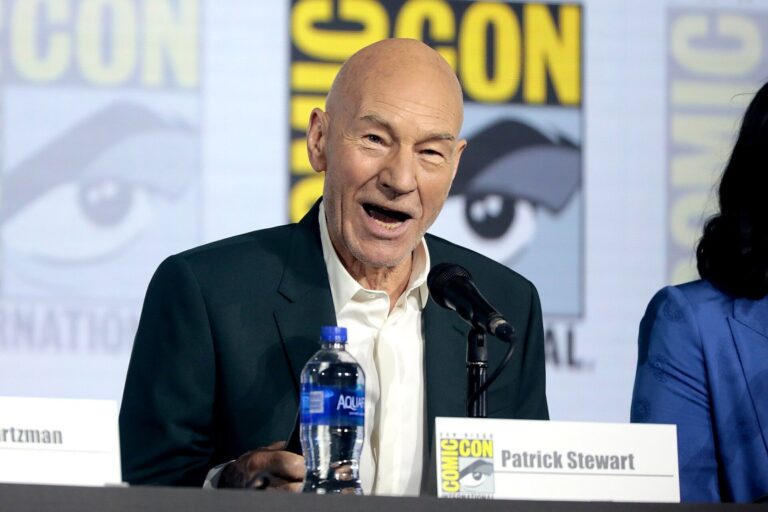
Want to watch the X-Men movies in order? There are 13 films in the original series made by 20th Century Fox between 2000 and 2020, plus a growing list of Marvel Studios films that bring the mutants into the Marvel Cinematic Universe. With Sir Patrick Stewart’s death this week and his final performance as Professor X due in Avengers: Doomsday in December, this guide lists every film by release date, gives a story-order alternative, and explains which ones to prioritise.
By Editorial Team
Quick answer
- Release order: X-Men (2000), X2 (2003), X-Men: The Last Stand (2006), X-Men Origins: Wolverine (2009), X-Men: First Class (2011), The Wolverine (2013), X-Men: Days of Future Past (2014), Deadpool (2016), X-Men: Apocalypse (2016), Logan (2017), Deadpool 2 (2018), Dark Phoenix (2019) and The New Mutants (2020).
- Under Marvel Studios: Doctor Strange in the Multiverse of Madness (2022), Deadpool & Wolverine (2024) and Avengers: Doomsday (December 2026). A rebooted MCU X-Men film is planned for 2028.
- Best first watch: start with X-Men (2000), then X2. If you only have time for two later films, choose Days of Future Past and Logan, the best-reviewed in the series.

X-Men movies in order of release
The original trilogy (2000 to 2006)
X-Men (2000). Bryan Singer’s film introduced Hugh Jackman as Wolverine, Patrick Stewart as Charles Xavier and Ian McKellen as Magneto, with Halle Berry, Anna Paquin, Famke Janssen and James Marsden. It turned a long-delayed project into a surprise hit and is often credited with helping to start the modern superhero boom.
X2 (2003). The sequel draws on the graphic novel God Loves, Man Kills and grossed about $407 million worldwide. Many fans still rank it among the series’ best.
X-Men: The Last Stand (2006). Brett Ratner took over as director. It closes the first trilogy and makes a first attempt at the Dark Phoenix story.
Spin-offs and the prequel era (2009 to 2014)
X-Men Origins: Wolverine (2009). Wolverine’s back story, beginning in the 19th century. It is one of the weakest-reviewed entries, so it is optional.
X-Men: First Class (2011). A 1960s-set reboot with James McAvoy as a young Xavier and Michael Fassbender as Magneto. It is the best place to start if you want the prequels.
The Wolverine (2013). Wolverine goes to Japan in a smaller, more personal story directed by James Mangold.
X-Men: Days of Future Past (2014). The bridge between the two casts. Stewart, McKellen, McAvoy and Fassbender all appear as Wolverine is sent back to 1973 to change history. The time travel resets the series’ timeline.
Deadpool, Logan and the final Fox films (2016 to 2020)
Deadpool (2016). Ryan Reynolds’ foul-mouthed hit. It sits loosely in the X-Men world and is rated for adults.
X-Men: Apocalypse (2016). The prequel cast face an ancient mutant in a 1980s setting.
Logan (2017). Jackman and Stewart’s farewell to their Fox roles: an older Wolverine looks after an ailing Xavier. It is widely regarded as the high point of the series.
Deadpool 2 (2018). A bigger sequel that brings in more mutant characters.
Dark Phoenix (2019). A second take on the Jean Grey story with Sophie Turner. It was poorly reviewed.
The New Mutants (2020). Fox’s last X-Men film, a teen horror spin-off with little connection to the main story.
Story (chronological) order
If you prefer to follow the in-universe timeline, Wikipedia’s summary of the films places them like this:
- X-Men Origins: Wolverine, X-Men: First Class, X-Men, X2, X-Men: The Last Stand and The Wolverine, then X-Men: Days of Future Past, which creates a new timeline;
- X-Men: Apocalypse and Dark Phoenix, which follow that new timeline into the 1980s and 1990s;
- Deadpool, Deadpool 2, Logan and The New Mutants, which sit loosely to one side.
Continuity is not tidy. Jackman has said Logan happens in an alternate timeline, while Mangold has said otherwise, so do not worry about making everything fit.
How the X-Men moved to Marvel Studios
Fox bought the film rights in 1993 for $2.6 million. When Disney completed its takeover of Fox on 20 March 2019, the rights passed to Marvel Studios and Fox’s planned sequels were cancelled. Since then, Fox-era actors have returned in Marvel’s multiverse stories. Stewart appeared as a version of Xavier in Doctor Strange in the Multiverse of Madness, and Jackman returned in Deadpool & Wolverine. Our guide to the Marvel movies in order shows where those films fit in the MCU.
Avengers: Doomsday brings back Stewart, McKellen, Marsden, Kelsey Grammer and Rebecca Romijn among others, and will be Stewart’s final screen performance. It opens on 16 December in the UK and 18 December in the US. Our report on what we know about Avengers: Doomsday has the latest.
Which X-Men films to watch first
- Short on time: X-Men, X2, Days of Future Past and Logan.
- For Stewart’s Xavier: the original trilogy, Days of Future Past and Logan, which together show his version of the character from start to finish.
- For the prequel cast: First Class, Days of Future Past, then Apocalypse.
- Skip if you must: Origins: Wolverine, Dark Phoenix and The New Mutants.
Stewart’s other great franchise has its own guide too: see our Star Trek movies in order.
Where to watch
Most of the Fox X-Men films stream on Disney+ in many countries, including the UK, but availability changes by country, so check your local service. The Deadpool films are rated for adults.
What to watch next
- Avengers: Doomsday in cinemas from 16 December (UK) and 18 December (US);
- Avengers: Secret Wars, scheduled for 17 December 2027;
- Marvel’s rebooted X-Men film, planned for 2028, with casting still to be confirmed.
More guides are in our Movies & TV section.
Photo credits: Featured image: The cast of X-Men: Days of Future Past at San Diego Comic-Con, July 2013 (archive image). Photo: Gage Skidmore, via Wikimedia Commons (CC BY-SA 3.0). Source. In-article image: Hugh Jackman at a press conference for X-Men Origins: Wolverine in Berlin, April 2009 (archive image). Photo: Franz Richter, via Wikimedia Commons (CC BY-SA 3.0). Source.
Sources
Share this story