Ayo Shonaiya music licensing: why Burna Boy cost more than Beyoncé for his Afrobeats documentary
Ayo Shonaiya music licensing costs are back in the conversation after the filmmaker put a number on them for the first time. Speaking on Lagos radio this weekend, the director of Netflix’s Afrobeats: The Backstory said clearing songs for the 12-part series cost him about $117,000, and that Burna Boy’s catalogue was his single most expensive licence, ahead of Beyoncé’s. Here is what he said, what it tells us about how music in film is paid for, and what remains unconfirmed.
By Editorial Team
What we know
- The interview (REPORTED). Shonaiya spoke on Yanga 89.9 FM in Lagos, HypeTribe and Entertainment Reporter report. Both quote him saying he spent “roughly 117” thousand US dollars, “maybe a bit more”, just to clear music for 12 episodes.
- The Burna Boy fee (CLAIM). He said Burna Boy was his “highest license fee”, even after a discount he was offered, and that the licence cost more than Beyoncé’s. This is his account. We have not seen invoices, and Burna Boy’s team has not publicly responded as far as we can find.
- How it happened (REPORTED). He said he first called Burna Boy’s mother and manager, Bose Ogulu, about an interview. She directed him to the person who handles the music, who offered the discount.
- The free licences (REPORTED). He named illBliss, Mr Eazi, Phyno, eLDee and Olamide as artists who let him use their music without charge. HypeTribe quotes illBliss telling him: “Boss, you are doing important work, why will I be collecting money?”
- The series (FACT). Afrobeats: The Backstory premiered in Lagos in 2021 and reached Netflix on 29 June 2022. It traces the sound from the 1990s to today.
What changed since 2022
This is not the first time Shonaiya has talked about the cost. In a 2022 interview with TheCable Lifestyle, he said licensing took half of the documentary’s budget and a full year of work, but he would not give the figure. “Without telling you the figure, the licensing of songs alone is half the budget of the documentary,” he said then.
The new detail is the number, and the names. That matters because Nigerian music documentaries are becoming more common, and the cost of using the music is one of the least discussed parts of making them.
How Ayo Shonaiya music licensing worked, in plain terms
Using a song in a film or series is called a synchronisation, or “sync”, licence. In general, two sets of rights are involved:
- The recording, usually owned by the record label or the artist’s own company.
- The song itself, the words and melody, usually controlled by a music publisher on behalf of the songwriters.
Both normally have to agree, and both usually charge. The price depends on how long the clip runs, where the film will be shown, for how long and on which platforms. A series meant for a global streaming service needs wide rights, which tends to push fees up.
That is why Shonaiya said in 2022 that the first job was finding out who owned each song, because there may be more than one owner. Our explainer on how Spotify royalties work covers the streaming side of that money. Publishing deals, like the one in our story on Ladipoe’s Sony Music Publishing deal, are part of the same system.
Why the Burna Boy comparison gets attention
The line about Beyoncé is what spread online, but it needs care. A licence fee reflects many things: how many songs are used, for how long, who owns them and what terms the rights holder sets. A higher fee is not wrongdoing, and Shonaiya did not accuse anyone of acting improperly. His point, as both outlets report it, was that he paid everyone who charged, regardless of how long he had known them.
“Every documentary I do, I have to pay for the music licensing,” HypeTribe quotes him as saying. “It doesn’t matter if I know the artist from years ago or not.”
He also argued that artists who now want documentaries about their own careers should plan for the music bill first, because even a 10- or 15-second clip has to be cleared. HypeTribe reports that a few clips were cut from the series because they could not be cleared.
Who is Ayo Shonaiya?
Shonaiya is a lawyer, filmmaker and former music manager. Over the years he has managed or represented artists including K1 De Ultimate, D’banj, Don Jazzy and eLDee, which is why his archive of early Afrobeats footage is so large. His series sits alongside other music films about Nigerian stars, such as the Wizkid film Long Live Lagos. For Burna Boy’s own career, see our guide to Burna Boy’s albums in order.
What happens next
Shonaiya has said a second season of Afrobeats: The Backstory is coming, though no date has been announced, HypeTribe reports. Watch for:
- any response from Burna Boy’s team about the licence;
- details on season two and which artists appear in it;
- more Nigerian filmmakers speaking publicly about music clearance costs.
More stories are in our Nigerian Entertainment section.
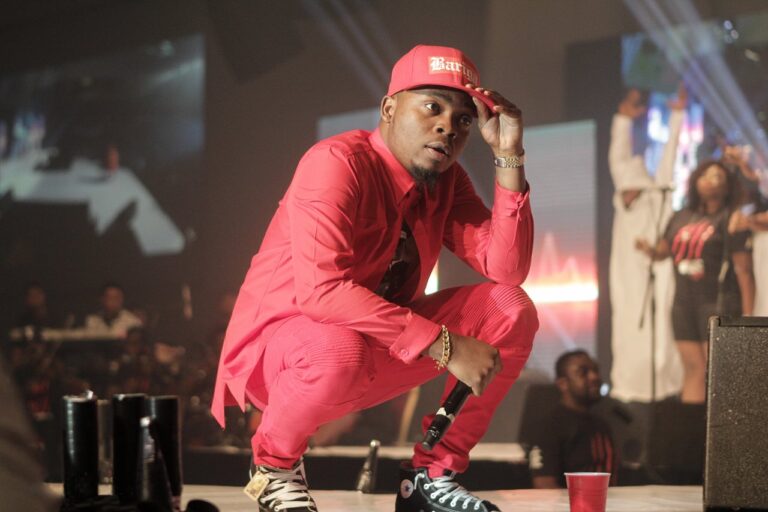
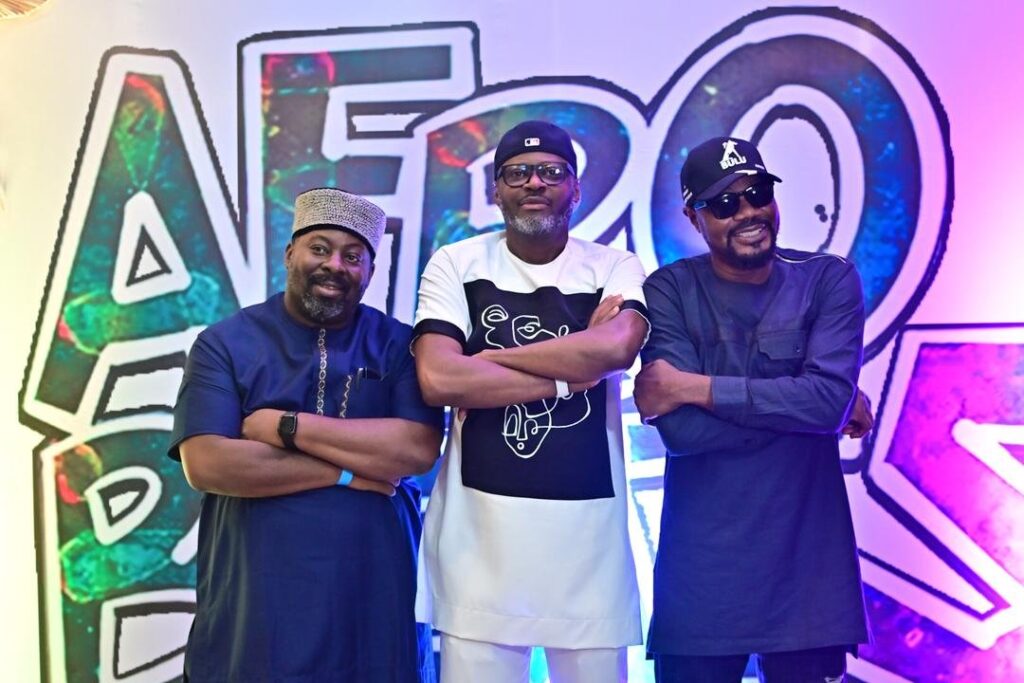
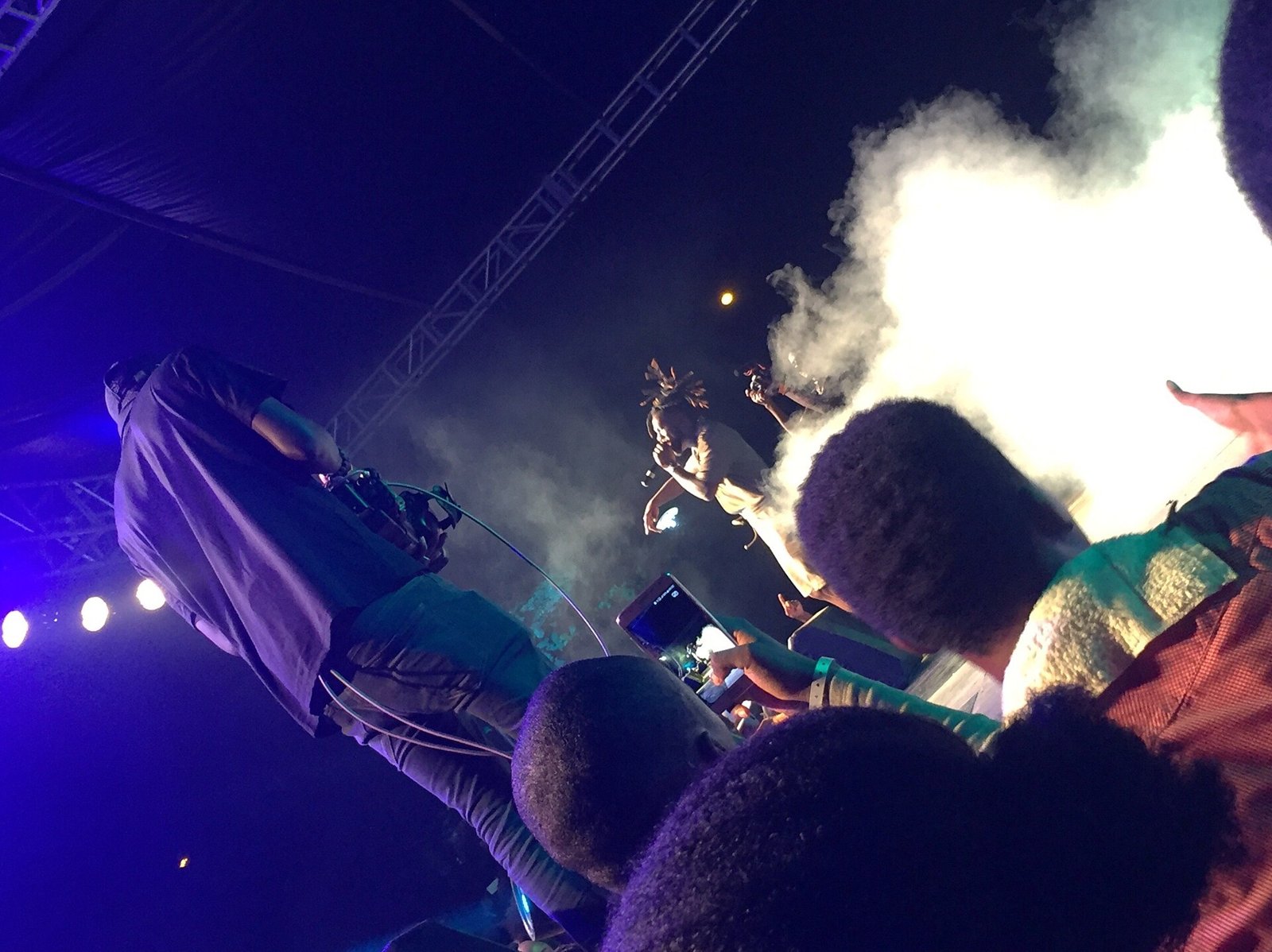
Photo credits: Featured image: Obi Asika, Ayo Shonaiya and DJ Jimmy Jatt at the Afrobeats: The Backstory premiere in Lagos, 2021 (archive image). Photo: Ayo Shonaiya, via Wikimedia Commons (CC0). Source. In-article image: Burna Boy performing at the Nativeland concert in Lagos, December 2016 (archive image). Photo: Catherine Omeresan Sutherland, via Wikimedia Commons (CC BY-SA 4.0). Source.
Sources
Share this story