Nollywood script development: why up to 90% of films shoot a first draft, according to MBO Capital
Nollywood script development is badly underfunded, according to one of the investors who backs Nigerian films. Adekunle Adebiyi, executive director for investments at MBO Capital, says his firm estimates that 80% to 90% of Nollywood films are shot from the first draft of the script. He blames the way films are financed: lenders will pay for cameras and crews, but not for the slow, risky work of rewriting. Here is what he said, what it means in plain terms, and why it matters for the films audiences pay to see.
By Editorial Team
What we know
- The claim (CLAIM). “Based on our estimates, anywhere between 80% and 90% of Nollywood films are shot using the first draft of the script,” Adebiyi said on Nairametrics’ Drinks and Mics programme, published on 26 October. This is his firm’s estimate; we have not seen an independent study that measures it.
- The scale (REPORTED). He said Nigeria produces about 2,500 films a year.
- The cause (CLAIM). He said most film finance is debt, which pays for production, post-production and sometimes marketing, while “script development is a pure equity cost. You cannot do that with debt.”
- His firm’s role (REPORTED). MBO Capital mostly lends for production and post-production. Adebiyi said the firm financed the international marketing of Call of My Life, which he called the year’s highest-grossing Nigerian film, rather than its production. Nairametrics reported in 2025 that MBO had invested more than $6 million in 35 film and TV projects since 2017.
What Nollywood script development actually involves
In most film industries, the script goes through many drafts before shooting. Writers restructure scenes, sharpen characters and cut what does not work. Producers may hire script editors, hold table reads with actors, and commission rewrites after notes from directors or financiers. That process can take months or years, and many projects never reach production at all.
Each draft costs money, mostly writers’ fees and time, and none of it is guaranteed to lead to a film. That is why Adebiyi calls it an equity cost: whoever pays for it is taking a risk on an idea, with no product to sell yet.
Why debt cannot pay for a first draft
The difference between debt and equity explains his argument.
- Debt is a loan. The lender expects to be repaid, usually with interest, by a set date. Lenders prefer to fund the stage where there is a clear plan and something to show: a shoot schedule, a cast, a finished film to sell.
- Equity is an ownership stake. The investor shares in the profit if the film works and loses money if it does not. It is better suited to early, uncertain work.
If almost all the money available is debt, producers have every reason to move straight from first draft to set. “Until we have more patient capital,” Adebiyi said, filmmakers will not get the time to develop “this character a bit more”.
He said audiences can see the result. “A lot of times, when you watch these films, you can tell that more time could have been spent on character development.”
The recovery problem
Adebiyi also pointed to the other end of the process: getting money back. Investors struggle to know when they will be repaid when producers rely on selling films to streaming platforms. “If Prime don’t open and Netflix don’t want it, I don’t get paid,” he said. Nigeria also has too few cinemas, he added.
Recent stories show how sharp that risk is. Veteran actor Jide Kosoko says his historical epic cost more than ₦300 million and failed to recover its costs in cinemas, as set out in our report on the Jide Kosoko Eleko debt. Nairametrics also cites The Silent Intruder, which it says cost about ₦200 million and took ₦53 million at the box office.
At the other end, a few titles are breaking records. Distributor Nile Entertainment said on Monday that the faith-based remake Agbara Nla: The Return has reached ₦408.3 million, making it the second-highest-grossing Nollywood film of 2026 behind Call of My Life, Punch reports. Our earlier report on the Agbara Nla box office run covers how it got there. Our guide to box office numbers explains why gross takings are not the same as profit.
Why Nollywood script development matters to viewers
For audiences at home and in the diaspora, the issue is quality. Stronger scripts are one of the clearest ways to make films travel, including to international streaming platforms. Adebiyi said MBO still receives “at least one film pitch a day from Nigeria”, so the demand for funding is there.
For context on how the industry grew from home video to cinemas, see our history of Nollywood and our list of the highest-grossing Nollywood films.
What happens next
Watch for:
- any development funds or grants aimed at Nigerian screenwriters, public or private;
- responses from producers and writers’ groups to the 80–90% estimate;
- year-end box office totals, which will show whether 2026’s hits change investors’ appetite;
- more detail from MBO Capital on the 10 to 12 criteria Adebiyi said it uses to judge proposals.
More stories are in our Nollywood section.
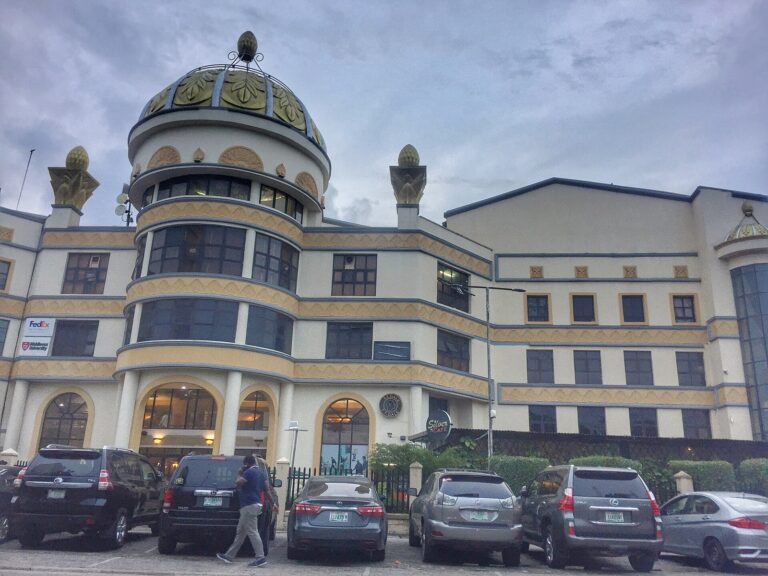
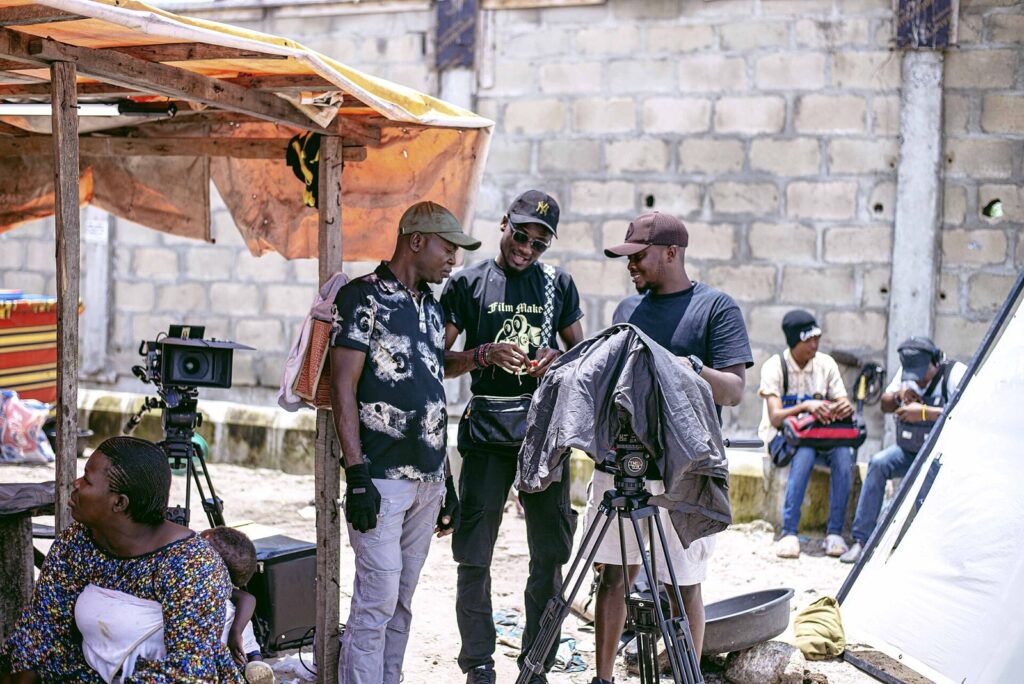
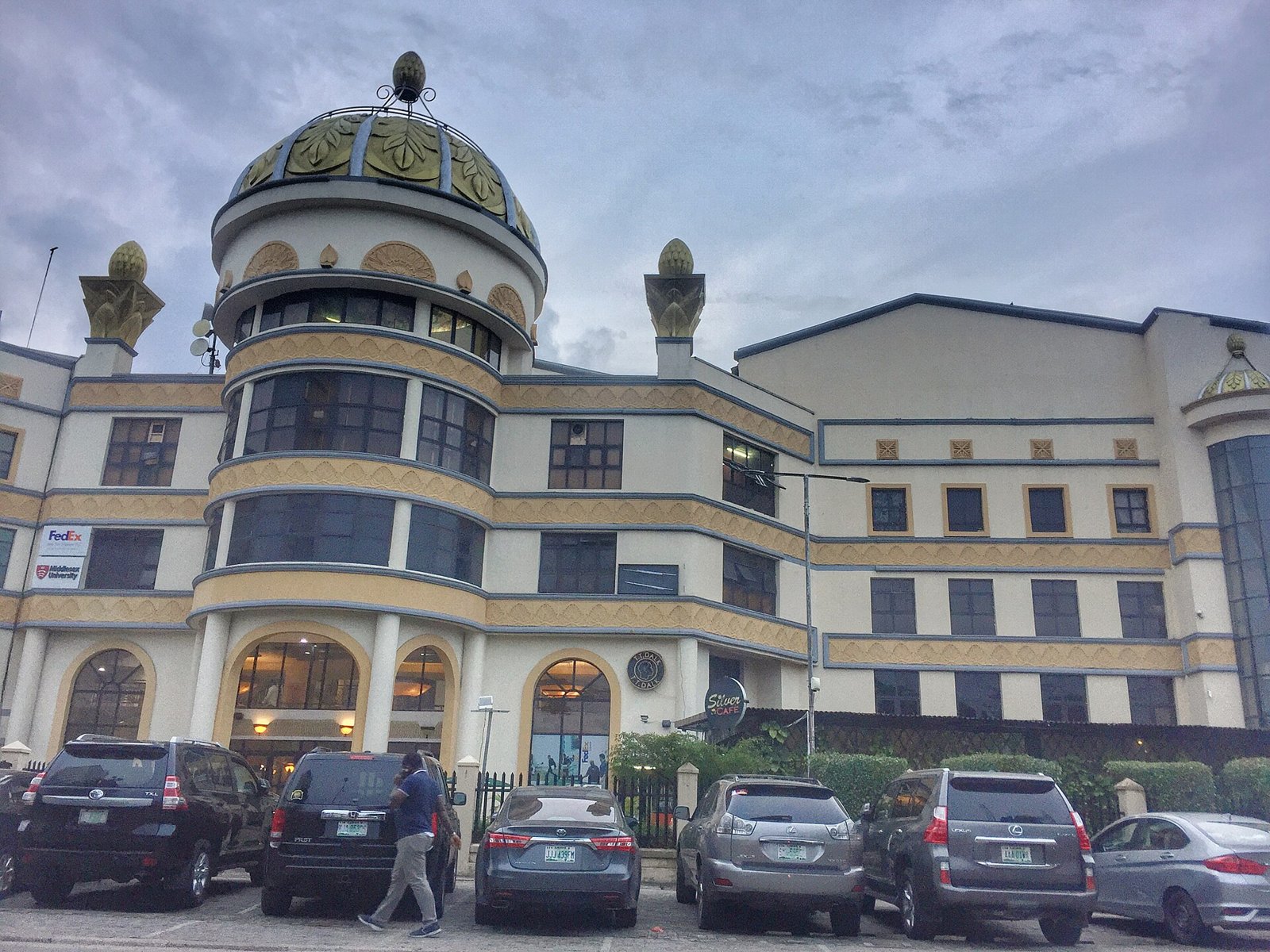
Photo credits: Featured image: Crew members on a Nollywood film set in 2022 (archive image). Photo: MediaMOF, via Wikimedia Commons (CC BY-SA 4.0). Source. In-article image: The Silverbird cinema building in Lagos, pictured in 2019 (archive image). Photo: Kaizenify, via Wikimedia Commons (CC BY-SA 4.0). Source.
Sources
Share this story